.png)


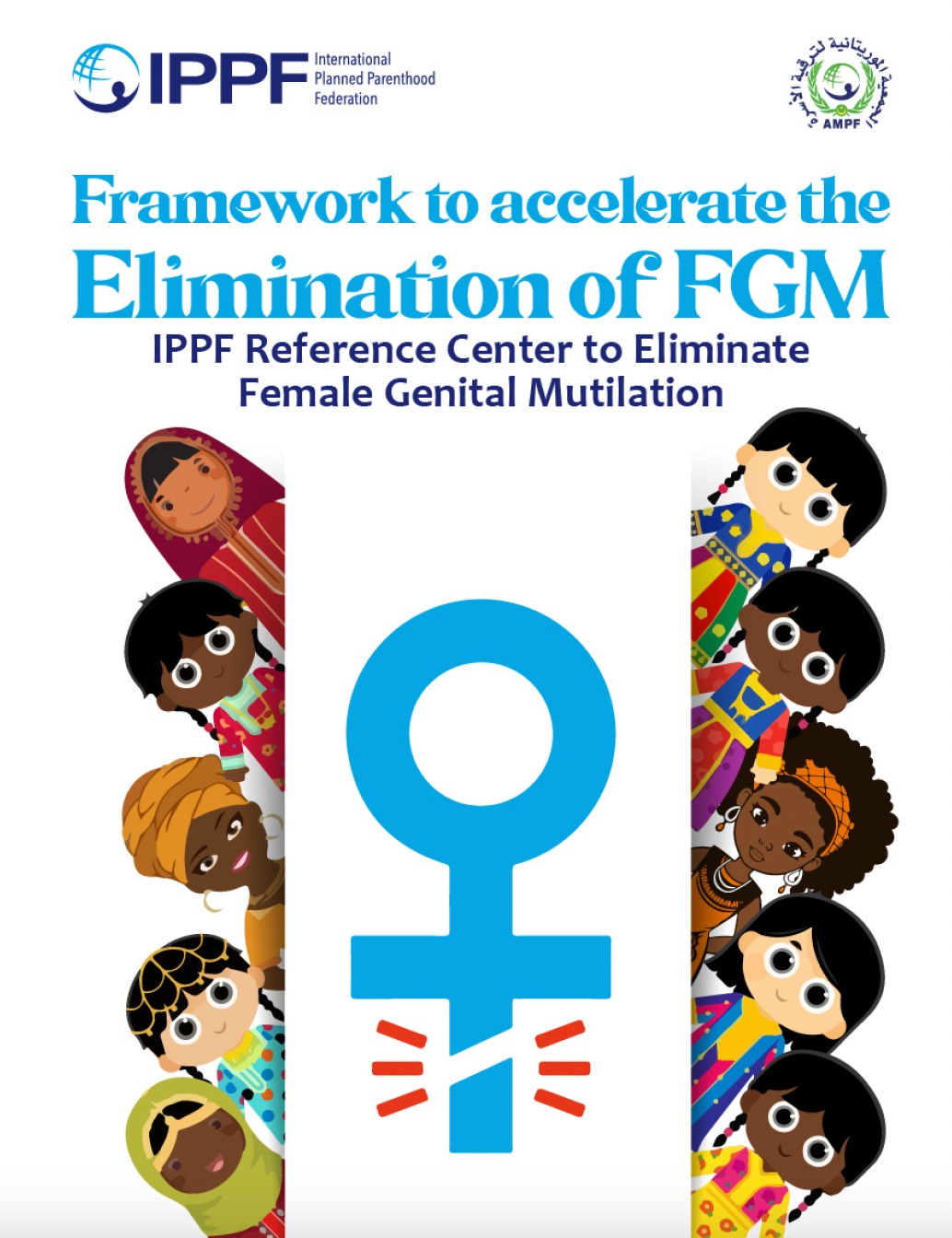
DFAT RESPOND Phase II FGM/C Project
Project Overview
This commitment is reflected in FPASL’s leadership of the FGM/C Prevention and Response Project, a three-year national initiative (2025–2027) funded by the Australian Department of Foreign Affairs and Trade (DFAT) and supported by the International Planned Parenthood Federation (IPPF).
The project aims to prevent FGM/C, strengthen survivor-centred responses, and promote evidence-informed, rights-based engagement across health systems, communities, and policy spaces in Sri Lanka.
Led by FPASL in collaboration with civil society organisations, community-based partners, healthcare providers, legal actors, and child protection stakeholders, the project is grounded in sexual and reproductive health and rights. Women and girls including those with lived experience are placed at the centre of programme design and implementation.
The project focuses on:
- Prevention and community awareness
- Access to quality, non-judgmental health services
- Survivor-centred psychosocial support and referral pathways
- Evidence generation, learning, and ethical documentation
- Policy engagement and systems strengthening
Objectives of the Project
- Strengthen evidence and understanding of FGM/C
Generate ethically collected, context-specific evidence to improve understanding of FGM/C and inform effective responses in Sri Lanka. - Improve access to survivor-centred health and support services
Strengthen the capacity of health systems to provide quality, non-judgmental care, psychosocial support, and appropriate referrals for women and girls affected by or at risk of FGM/C. - Promote prevention through community awareness and dialogue
Increase awareness of the health, human rights, and legal implications of FGM/C through culturally sensitive community engagement. - Strengthen policy and institutional responses
Support evidence-informed policy dialogue, coordination, and institutional capacity to respond effectively and ethically to FGM/C. - Centre the rights, dignity, and agency of women and girls
Ensure women and girls, including those with lived experience, are meaningfully engaged in shaping prevention and response efforts.
Project Approach
The project adopts a health-first, rights-based, and community-informed approach, grounded in dignity, participation, cultural sensitivity, and ethical practice. Emphasis is placed on careful listening, respectful engagement, and collaboration across sectors. Continuous learning and adaptation are embedded throughout implementation to ensure that responses remain relevant to evolving contexts and the lived realities of women and girls in Sri Lanka.
Talking About FGM/C in Sri Lanka: FPASL’s Approach to Prevention, Care, and Change
For many years, Female Genital Mutilation/Cutting (FGM/C) has remained largely invisible in Sri Lanka’s public discourse. The country is not commonly identified as one where the practice occurs, and it has often been assumed that FGM/C is not a relevant concern. However, absence from public discussion does not necessarily mean absence in reality.
In recent years, the Family Planning Association Sri Lanka (FPASL) and other stakeholders working in health, protection, and community settings have begun encountering increasing references to FGM/C through informal conversations, community insights, and practitioner experiences. While much of this information remains anecdotal, it raises important questions about whether the practice exists in specific contexts, how it is understood, and how women and girls may be affected.
At the same time, there is a clear lack of systematic, ethically gathered evidence on FGM/C in Sri Lanka. Without reliable data, health systems struggle to identify needs, service providers lack guidance on appropriate responses, and policymakers are limited in their ability to develop informed and coordinated approaches. This gap creates a real risk that women and girls who may be affected are left without adequate information, care, or support.
Silence does not protect women and girls. Understanding does.
FPASL is starting this conversation because difficult topics should not be avoided — they should be understood. Opening dialogue is a necessary first step toward responsibly and ethically understanding the reality of FGM/C in Sri Lanka. This work is not about sensationalising the issue, assigning blame, or creating fear. It is about listening, learning, and building shared understanding grounded in evidence, compassion, and respect.
අලුත්ම තොරතුරු ලබාගැනීමට එක්වන්න